
B2B Lead Generation: A Practical Guide to Qualified Pipeline
How B2B lead generation works when it starts from research: define the ICP, build a verified list, and hand sales leads they can actually work.
5 min read · Updated 2026-04-15
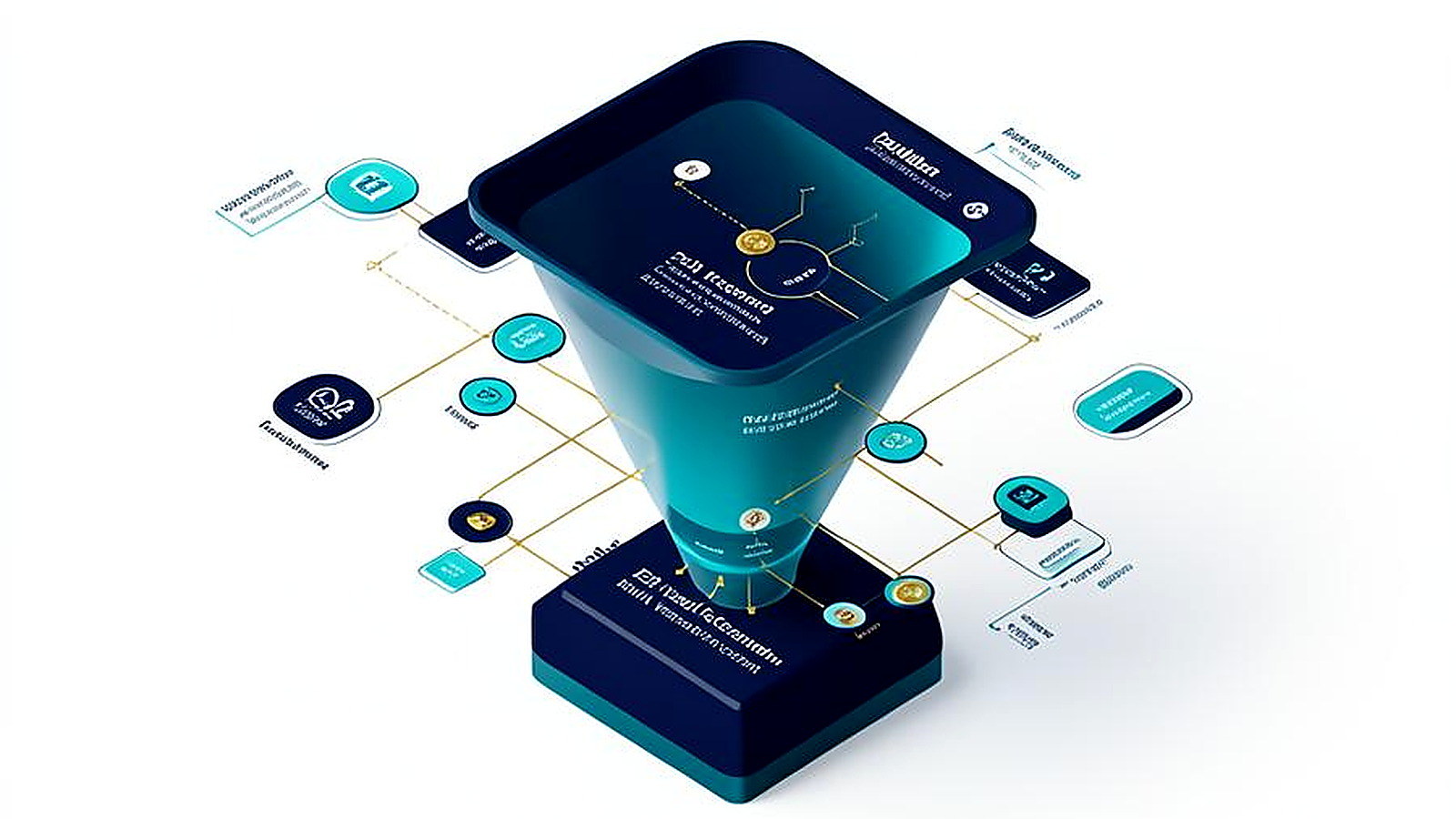
What B2B lead generation should deliver
B2B lead generation is the work of identifying companies that fit your ideal customer profile and the people inside them who own the buying decision. The output is not a volume of names; it is a list your sales team can work without re-checking every record.
A useful test: could a new sales rep pick up the list on Monday and start conversations without opening LinkedIn to confirm who still works where? If not, the lead generation stopped halfway.
Start with the account list, then the contacts
Most weak lead lists are built contact-first: a database export filtered by job title. The companies behind those contacts are often out of scope — wrong size, wrong segment, or no longer trading.
Build the account universe first against written criteria, verify each company, and only then research the decision-makers. Contact quality follows account quality.
Verify before you send
Every contact should carry a verification status: role confirmed, email validated, company still active. Unverified records belong in a separate queue, not in the campaign.
This one step protects sender reputation and keeps bounce rates low enough for outbound to keep working.
Measure pipeline, not list size
Judge lead generation by meetings booked and opportunities created per thousand records worked. A smaller researched list regularly outperforms a large bought one on both.
Key takeaways
- Build and verify the account list before researching contacts.
- Every record should carry a verification status and date.
- Measure meetings and opportunities per thousand records, not list size.
Inbound and outbound need the same data
Whether leads come from content or outreach, routing and follow-up depend on accurate company and role data. Enrichment on inbound leads and research on outbound lists solve the same problem from two ends.
Where customised lead generation fits
For niche segments, a customised list researched against your brief usually beats a filtered export, because many qualifying companies are missing or misclassified in large databases.
Practitioner note: run a pilot on one territory first and compare results against your current source before scaling.