
B2B Market Intelligence: Turning Records into Decisions
A researched dataset becomes intelligence when it is structured around the decisions it must support.
7 min read · Updated 2026-01-15
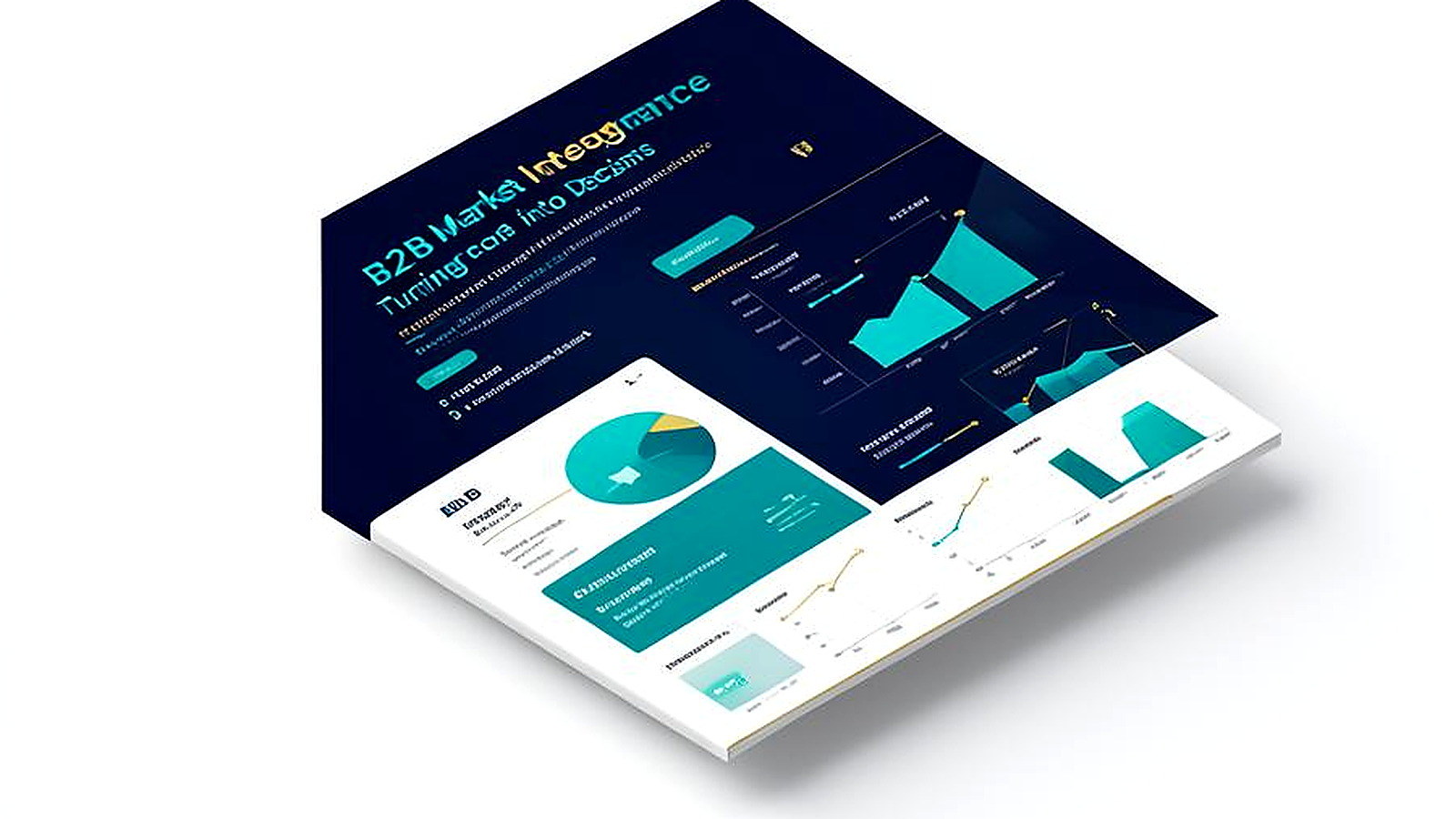
Structure for the question
Coverage, concentration and white space are different questions. Each needs a different cut of the same researched universe.
Keep the evidence attached
Intelligence that cannot be traced back to a source will not survive its first challenge in a leadership meeting.
Key takeaways
- Records become intelligence when they are structured around a decision.
- Define the question first; the schema follows from it.
- Track the same structure over time or you cannot see movement.
From dataset to decision support
A market entry decision needs counts, concentration and accessibility by segment. A pricing decision needs size bands and buying-group structure. The underlying research overlaps, but the structure of the delivery does not.
Deciding the question first avoids the common outcome: a thorough dataset that nobody can turn into a recommendation.
Why the second refresh is the valuable one
A single snapshot describes a market. Two comparable snapshots show direction: which segments grew, where hiring moved, which accounts changed structure.
That is why we hold the schema and the definitions stable between refreshes. Consistency is what turns a research file into a trend line.
Practitioner note: agree the refresh interval when the first dataset is scoped, and keep the segmentation frozen between runs.