
Data Quality Management as an Operating Process
Quality is not a clean-up project. It is a set of checks that run every time data enters the system.
7 min read · Updated 2026-01-15
Define the checks
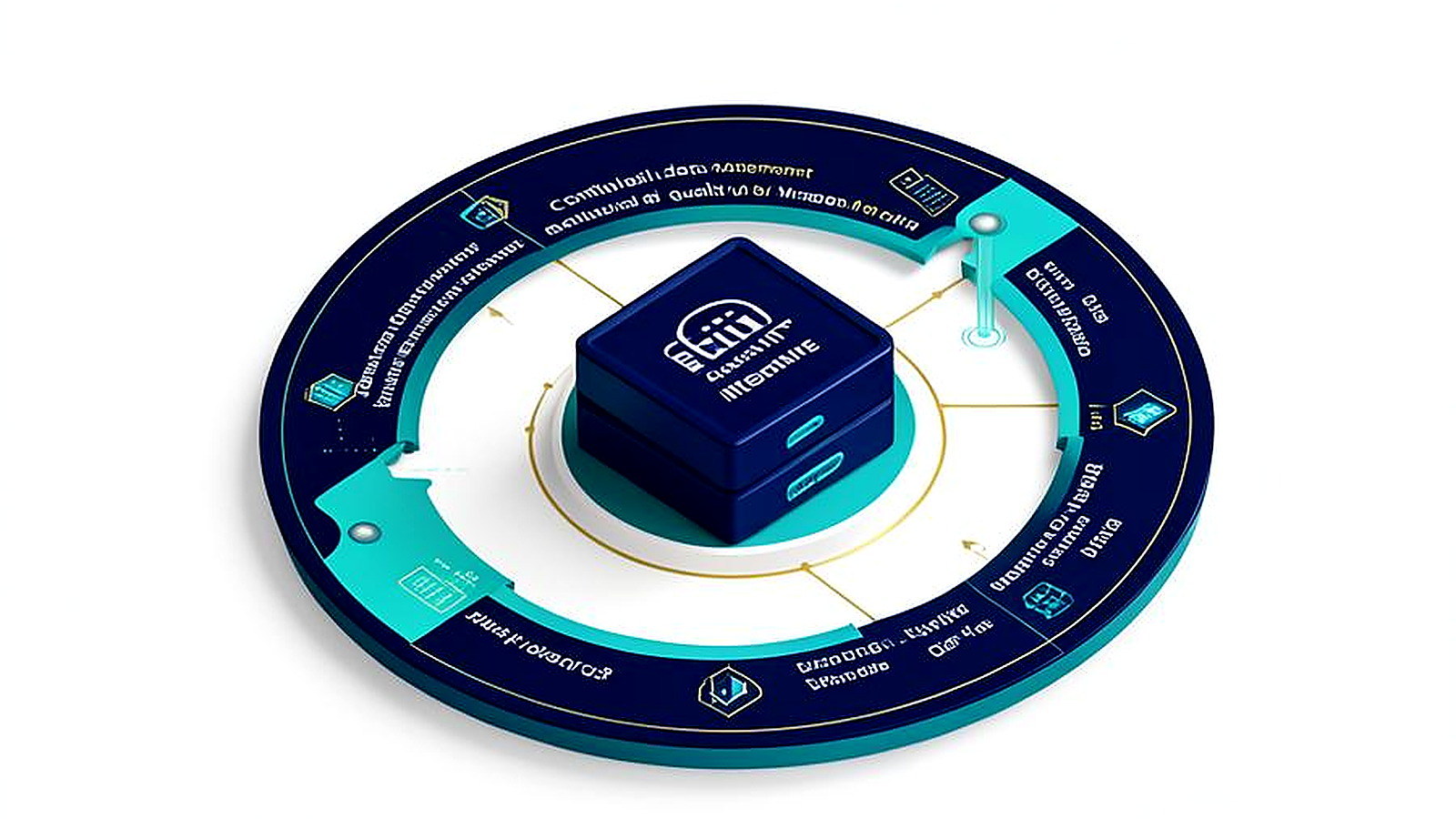
Company identity, website status, classification, role, email validity, duplication and company status cover most commercial risk.
Measure decay, not just errors
Tracking how quickly fields go stale tells you what to refresh and when, which is more actionable than a single accuracy figure.
Key takeaways
- Quality is a set of running checks, not a periodic clean-up project.
- Validate at the point of entry; correcting later costs several times more.
- Report on quality alongside pipeline, or it stops being maintained.
Checks that run every time
Format validation on entry, duplicate detection against domain and identity, mandatory-field enforcement on the fields that drive routing, and a decay flag once a record passes its review age.
None of these are complicated. They are simply easier to skip than to install, which is why most CRMs end up needing a cleansing project instead.
Making quality visible to the business
Data quality survives when someone sees it every month. A short dashboard — records past review age, unresolved duplicates, missing routing fields — is usually enough.
When quality is invisible, it degrades silently until a campaign fails and it becomes an emergency.
Practitioner note: put one named owner on the quality dashboard. Shared ownership of data quality reliably means none.