Vertical Market Research Programme
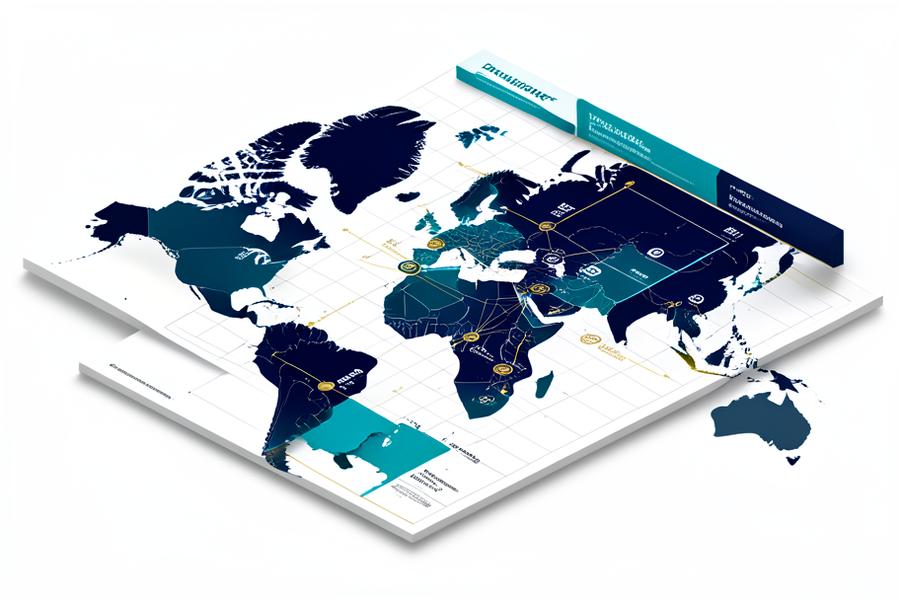
Entering a new market or expanding an existing one requires a clear understanding of the companies operating within that market. We research and map target verticals according to geography, industry, company type and client-defined criteria.
Challenge
A client entering or expanding within a specific market needed a structured view of companies operating within the target vertical. The requirement involved more than lead generation because companies had to be identified and classified according to defined market criteria.
Approach
We researched the target vertical through company websites, industry sources and other publicly available information. Relevant businesses were identified, categorised and enriched with available company and contact information.
Scope
Vertical market research, company discovery, web research, data extraction, market mapping, lead generation and data enrichment.
Markets
Specialised B2B verticals defined by geography, industry, company type and client-specific criteria.
Outcome
Created a structured market database that provided a clearer prospect universe for business development and targeted outreach.
The rule set is the deliverable
Mapping a vertical is a classification exercise before it is a research exercise. Without written rules, the same business lands in two categories depending on who looked at it.
We agreed the boundaries up front — what counts as in-market, what is adjacent, what is out — and applied them consistently across the map.
Coverage checks
A market map is only useful if the client can trust that little is missing. We cross-checked discovery against industry sources, directories and association listings.
Where a segment looked thin, that was reported as a coverage note rather than presented as a complete picture.
Companies that sat on the boundary of the definition were delivered in a separate review list for the client to accept or reject.
Key takeaways
- Classification rules are defined first, so two researchers categorise the same company the same way.
- Company discovery and contact research run as separate passes.
- Edge cases are escalated rather than forced into the nearest category.
Method
The Workflow Behind This Programme
- 01
Define
Understand your ICP, market, geography, data fields and business objective.
- 02
Research
Research companies, people, websites and market information using structured research workflows.
- 03
Verify
Verify company identity, website status, contact information, industry and other required attributes.
- 04
Enrich
Complete missing company, contact, firmographic and market information.
- 05
Quality Control
Run structured quality checks before delivery.
- 06
Deliver
Provide clean, structured, campaign-ready or CRM-ready data in the format required.
Send us a sample of your data.
We will tell you what can be verified, what needs correcting and what we can add — before you commit to anything.