Custom Lead Generation and Database Sourcing Explained
Why customised lead generation and researched database sourcing beat off-the-shelf lists for niche B2B markets.
4 min read · Updated 2026-05-06
What custom lead generation means
Custom lead generation builds a list around your exact brief — your segments, geographies, company sizes and buyer roles — instead of filtering a generic database. It is slower per record and far more accurate for niche markets.
What database sourcing involves
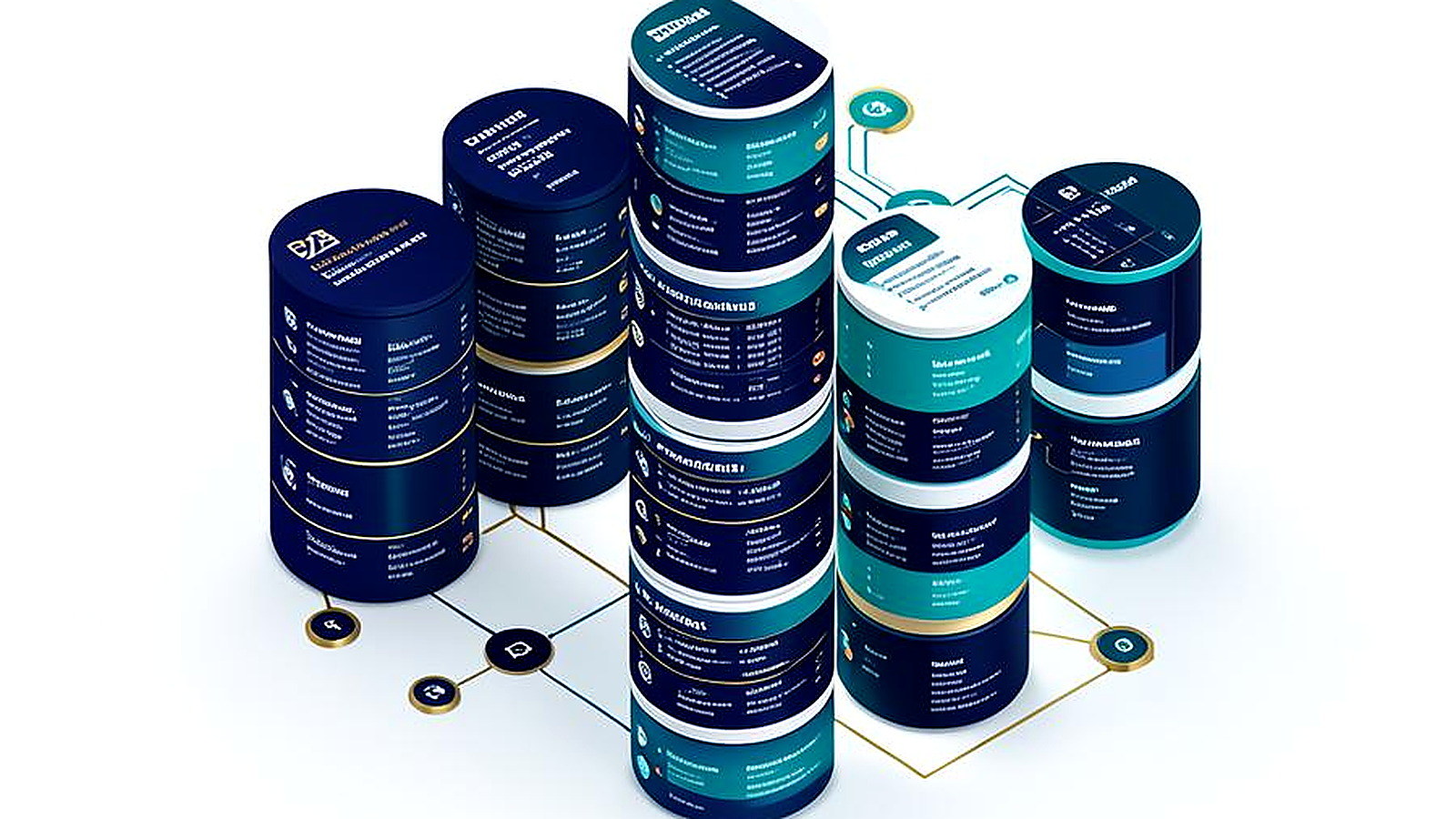
Database sourcing is the research step behind it: finding every qualifying company from directories, registries, association lists, event exhibitors and company websites, then structuring them into one clean dataset.
For specialist sectors, many qualifying companies never appear in large commercial databases at all. Sourcing finds them.
When off-the-shelf lists fall short
Bought lists work for broad, well-covered markets. They struggle with small or regional companies, new entrants, and sectors defined by what a company does rather than a standard industry code.
How to scope a custom project
Write down inclusion rules, the fields you need and the roles you target. Start with a sample, review it, then scale. A clear brief is the biggest driver of accuracy and cost.
Key takeaways
- Custom lead generation builds the list around your brief, not a generic filter.
- Database sourcing finds companies large databases miss.
- Start with a reviewed sample before scaling.
Typical sources used
Company registries, trade associations, event exhibitor lists, industry directories and company websites are combined, de-duplicated and checked against your inclusion rules.
What you receive
A structured file of qualifying companies with firmographics, researched decision-makers and verification status for each field, ready to load into your CRM.
Practitioner note: the tighter your inclusion rules, the cleaner the sourced database — write them before the project starts.